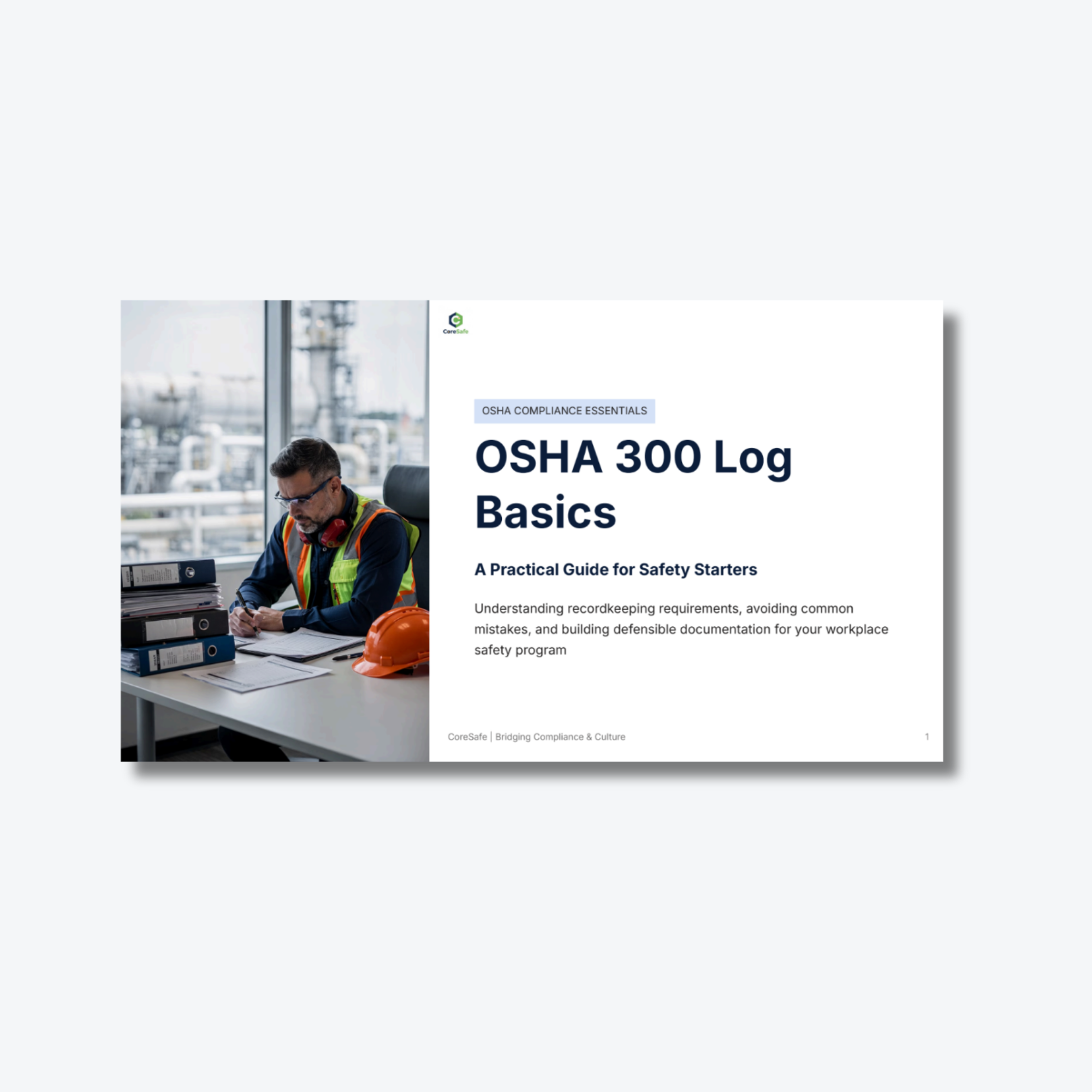
OSHA 300 Log Basics – Practical Recordkeeping for Safety Starters

$47.00

This Is for You If...

  • You are a Safety Starter establishing your first OSHA recordkeeping system and need clear, actionable guidance.

  • You are preparing for the February 1 Form 300A posting deadline and need to verify compliance requirements.

  • You want to eliminate recordability confusion and avoid the first aid versus medical treatment mistakes that trigger citations.

  • You need to train supervisors on injury reporting and ensure consistent application of OSHA's 2-part recordability test.

What's Inside

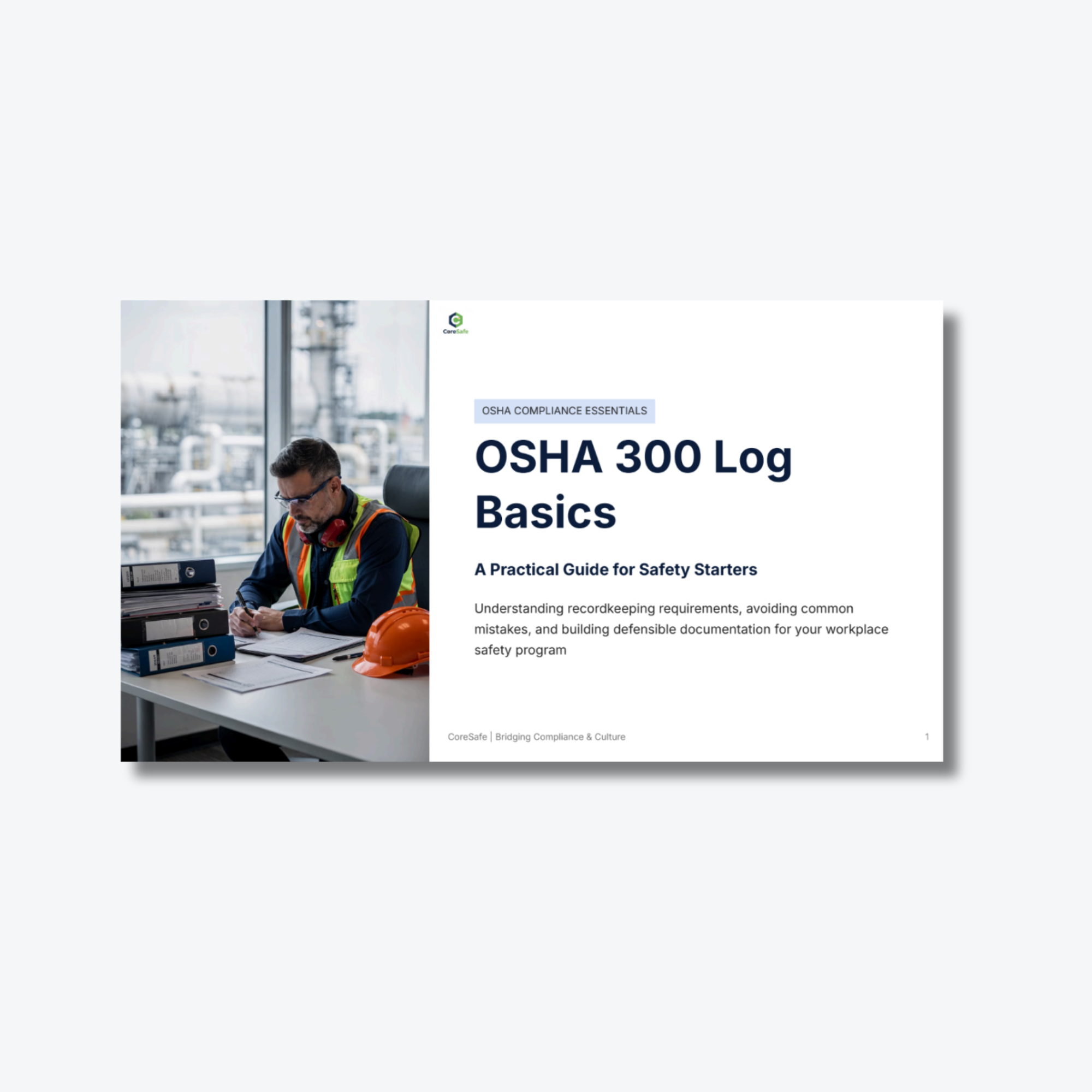
A comprehensive 30-page training guide covering OSHA 300 recordkeeping fundamentals for IMMEDIATE deployment across your safety program:

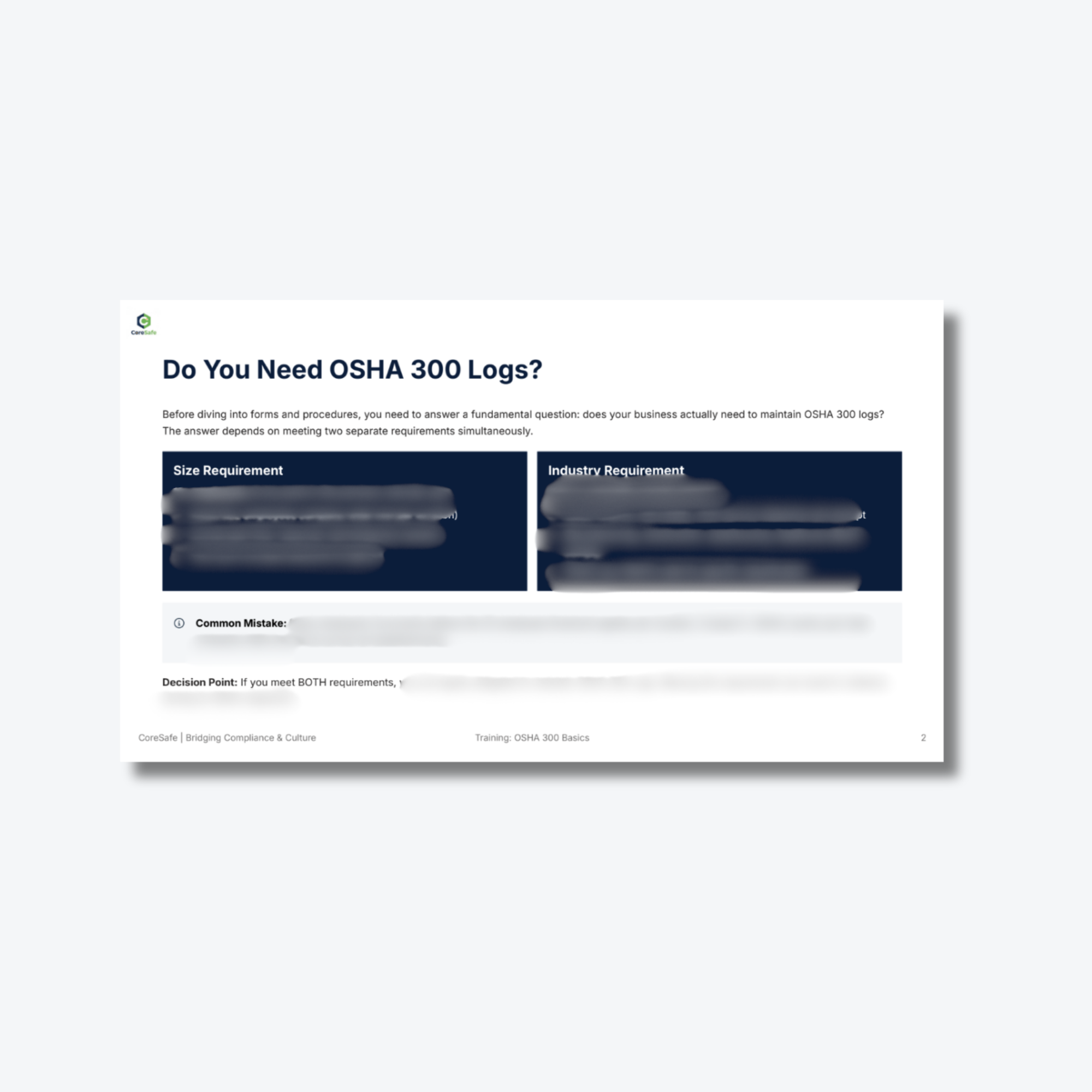
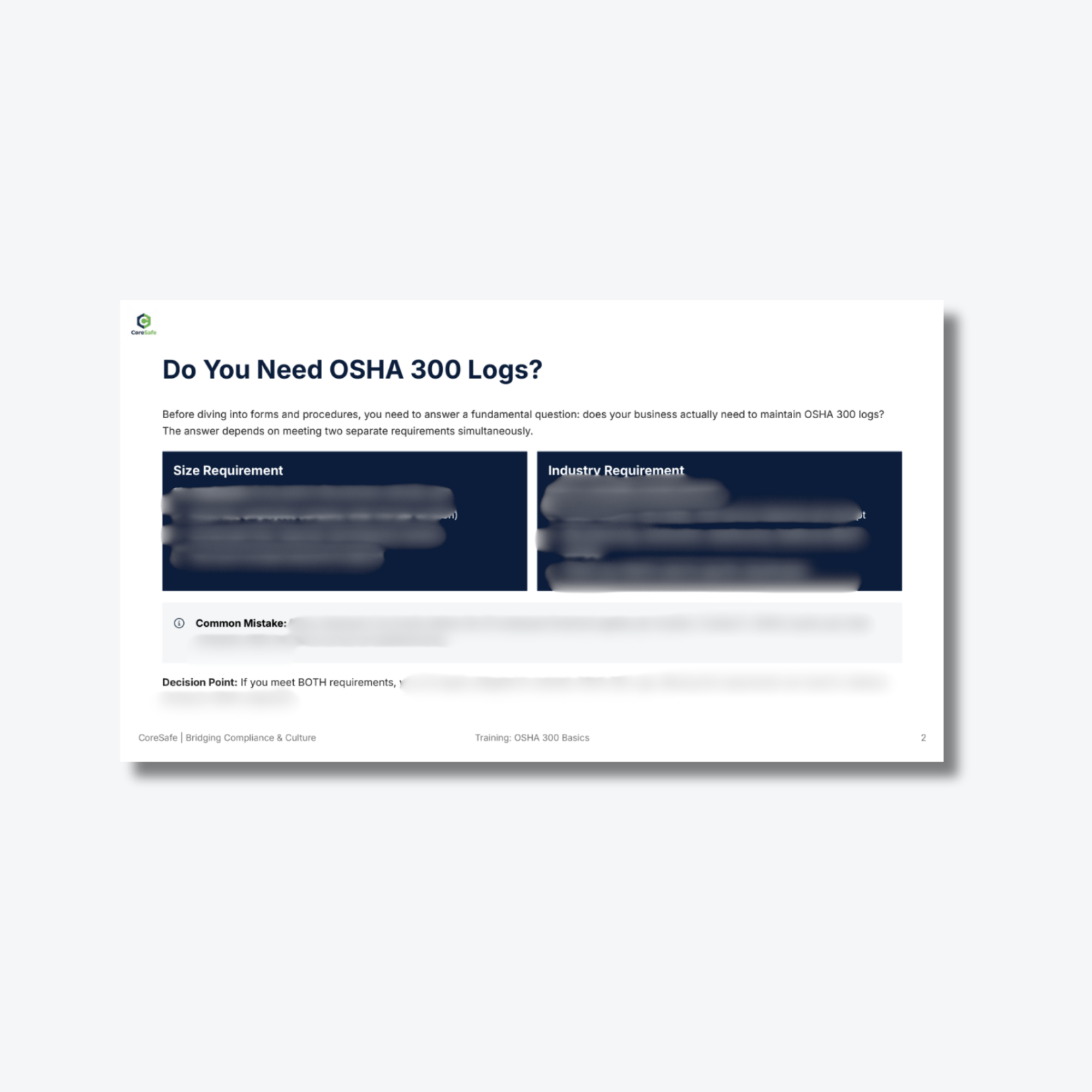
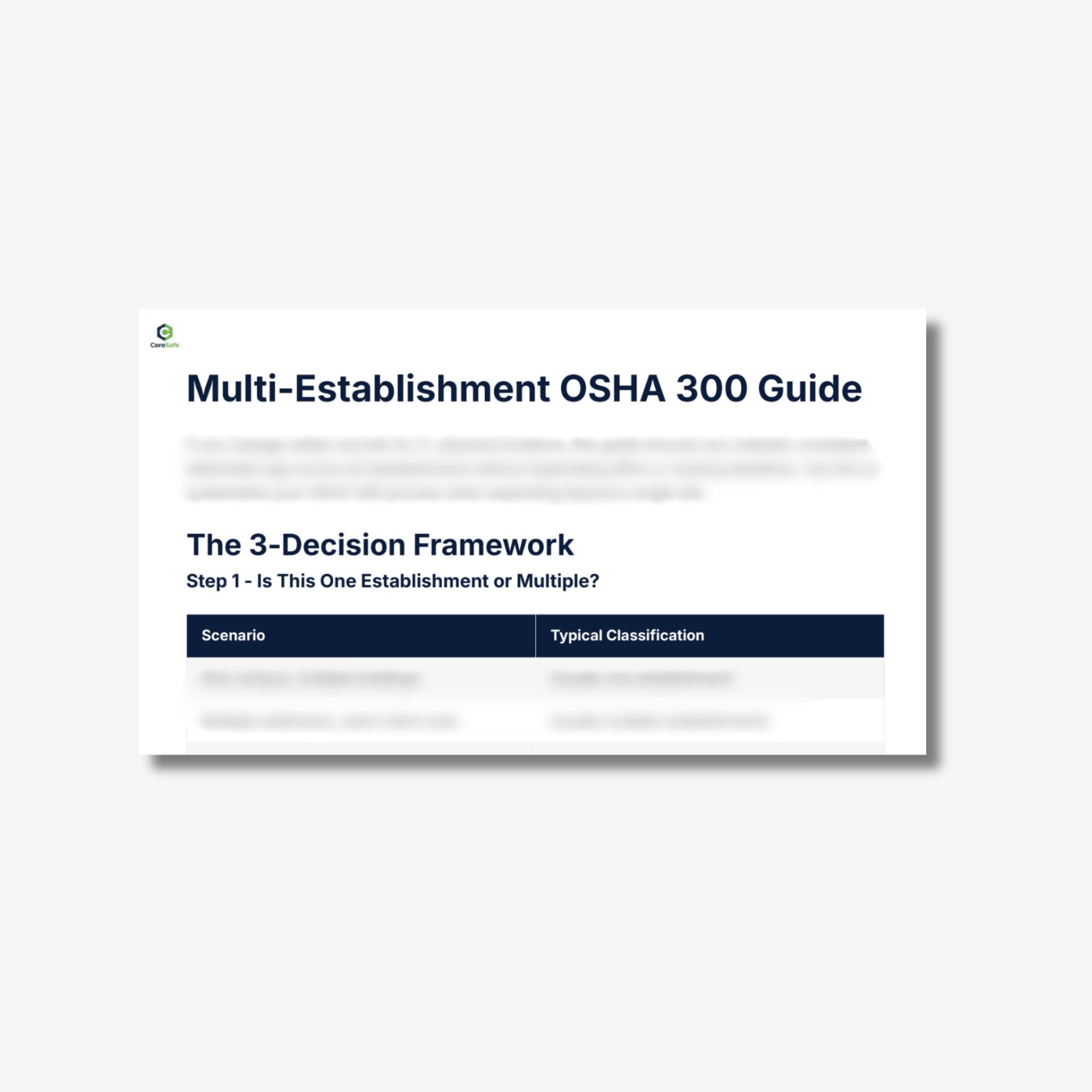
  • Recordkeeping Requirements and Applicability: Clear decision frameworks determining if your organization needs OSHA 300 Logs based on employee count and industry classification.

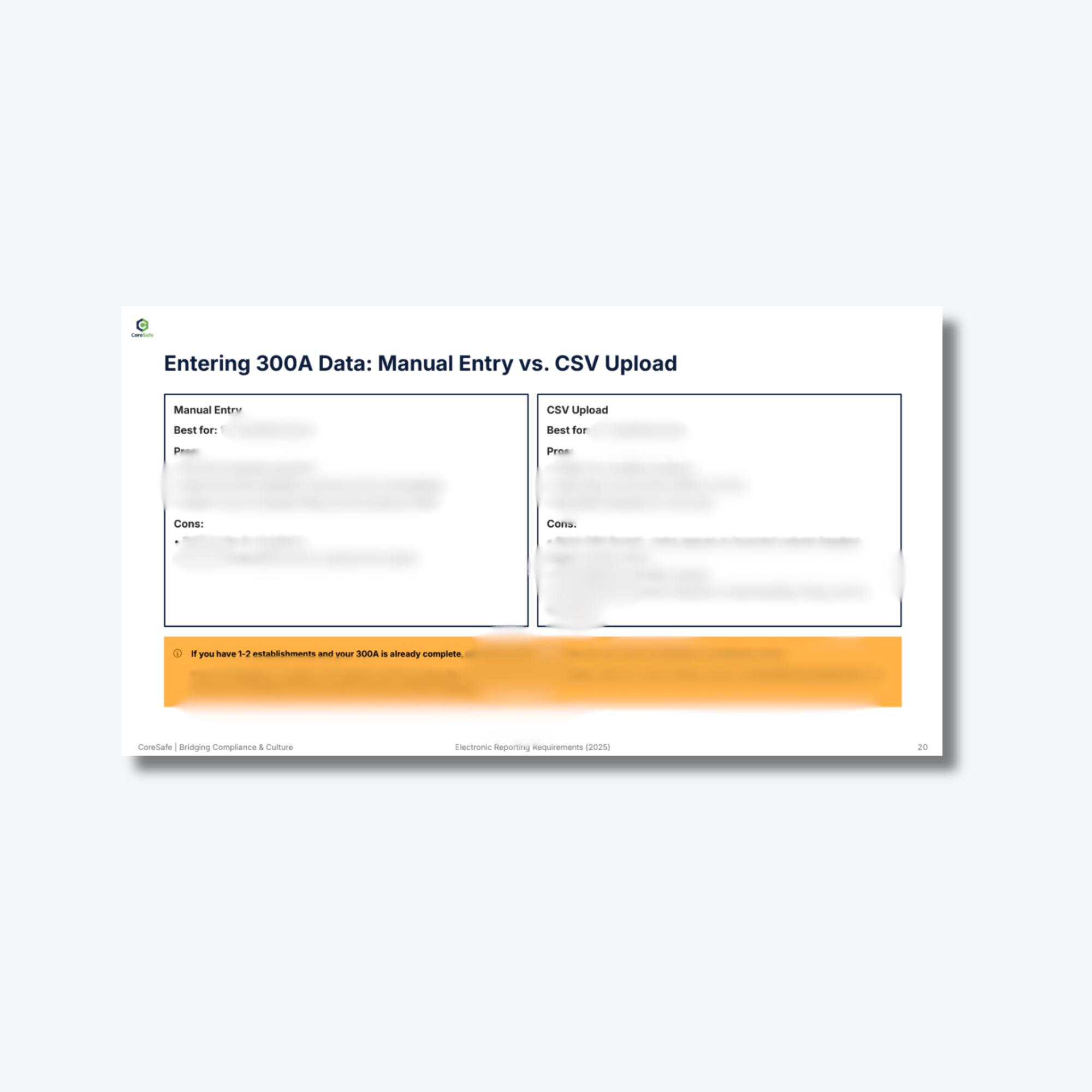
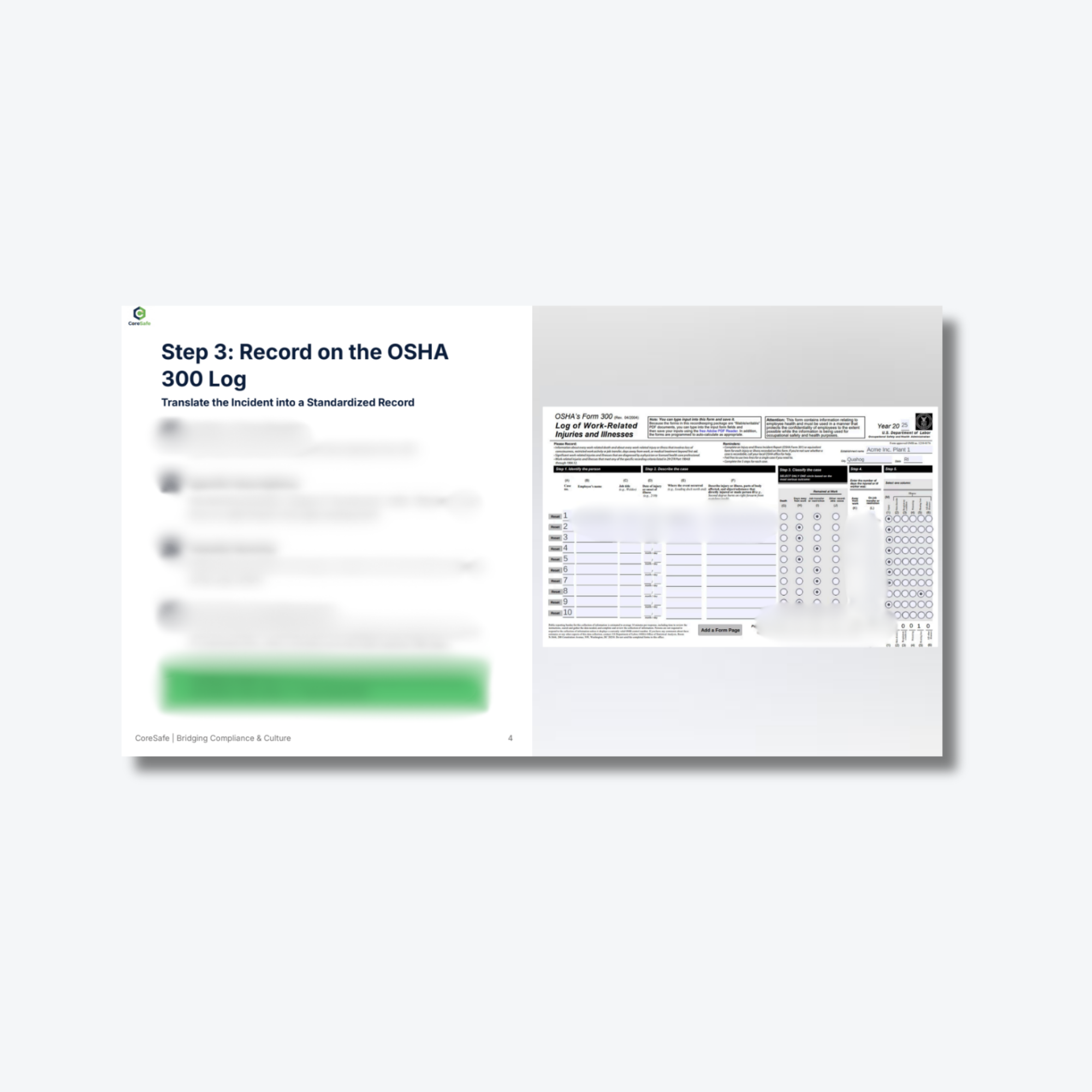
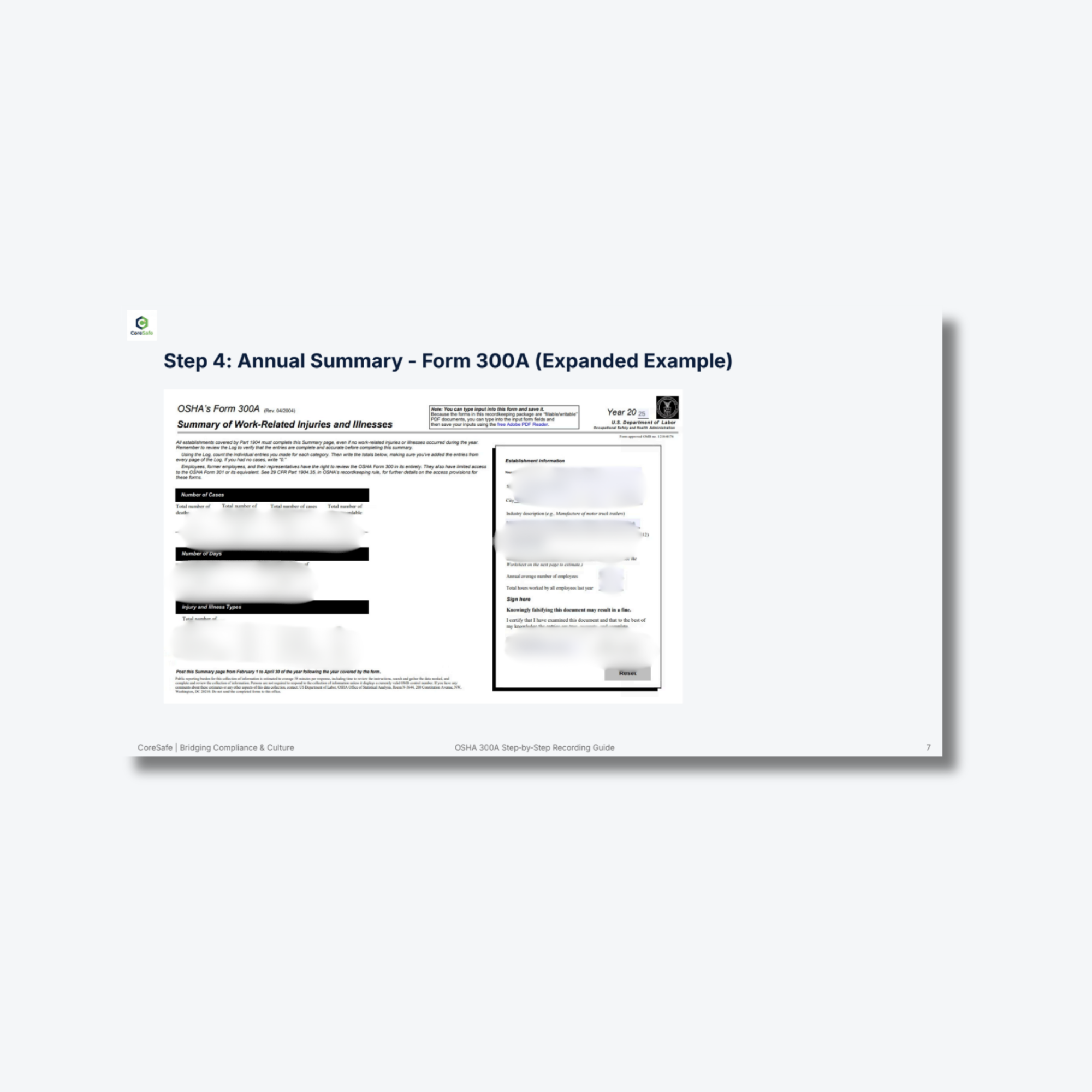
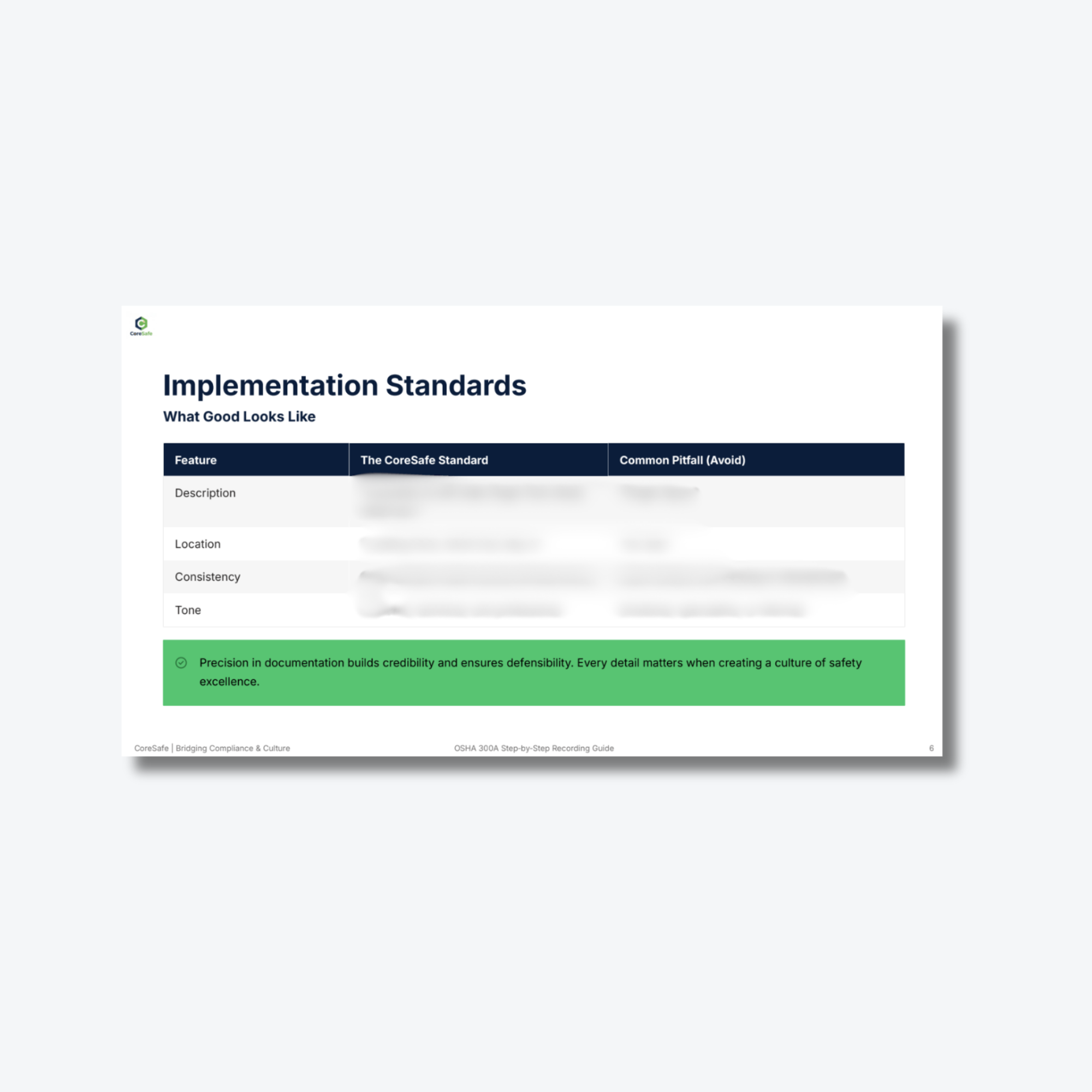
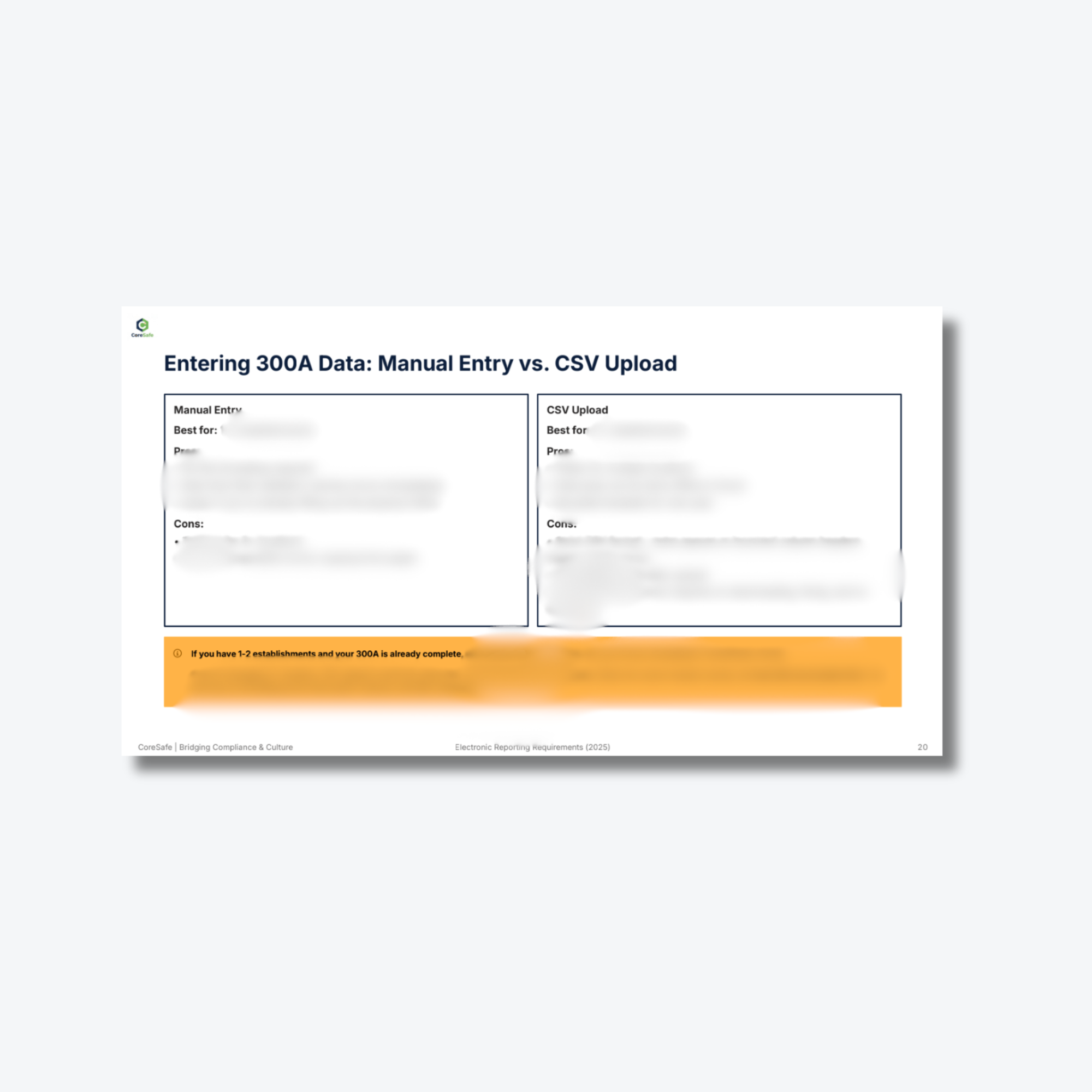
  • The Three Forms System (300, 301, 300A): Complete explanation of each form's purpose, required fields, completion timelines, and how they interconnect to create defensible documentation.

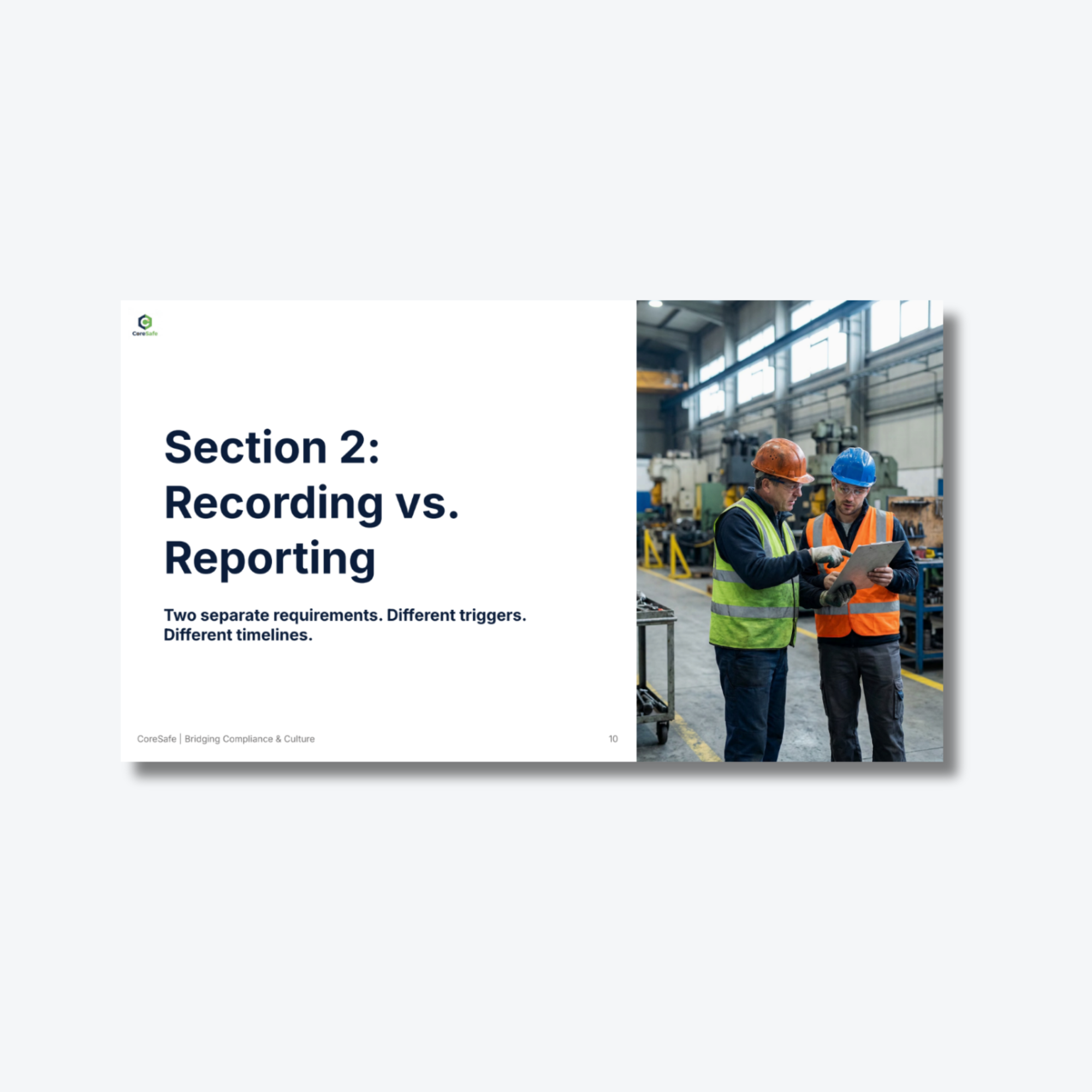
  • Recording vs. Reporting Requirements: Side-by-side comparison clarifying the critical distinction between 7-day recording obligations and 8/24-hour direct OSHA notification requirements.

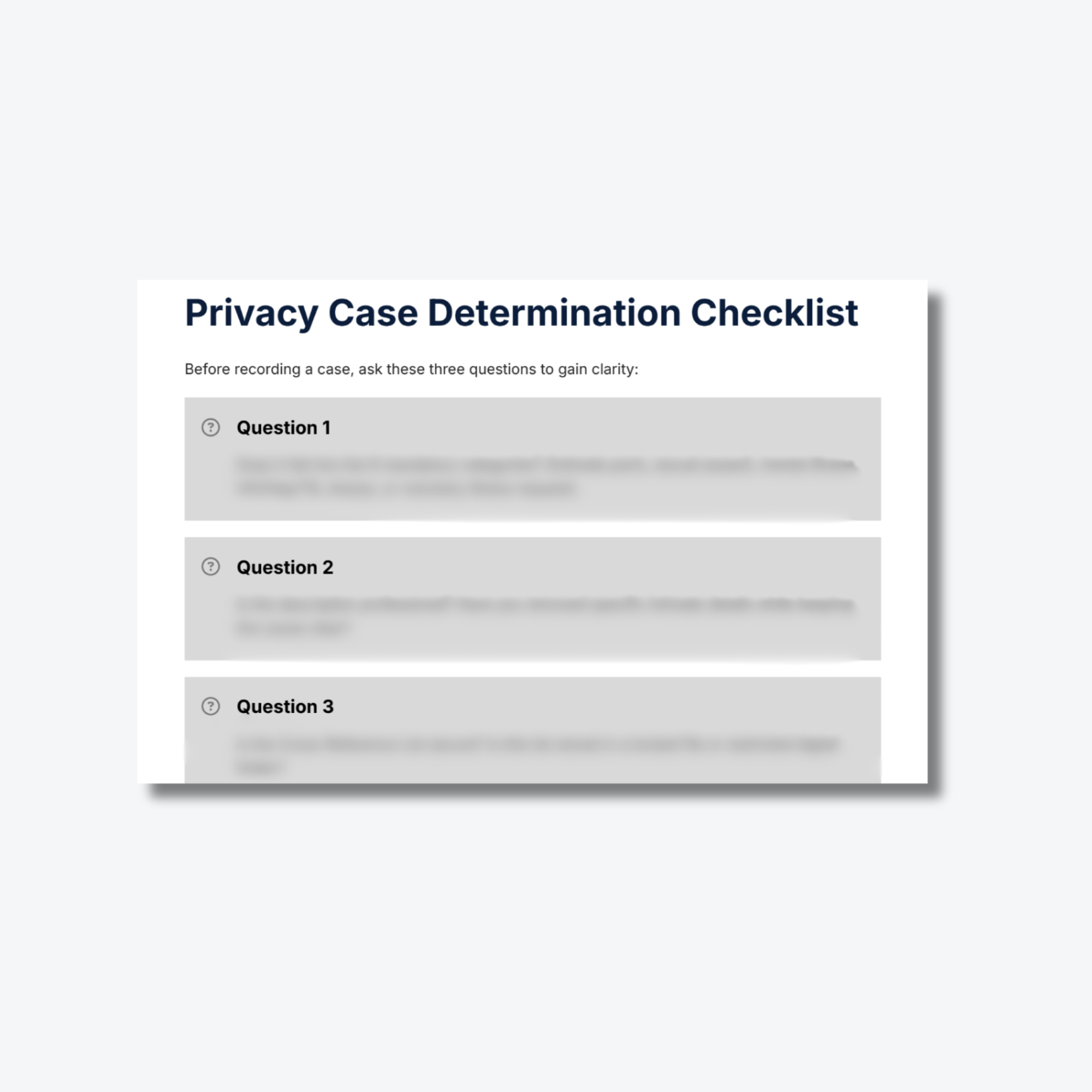
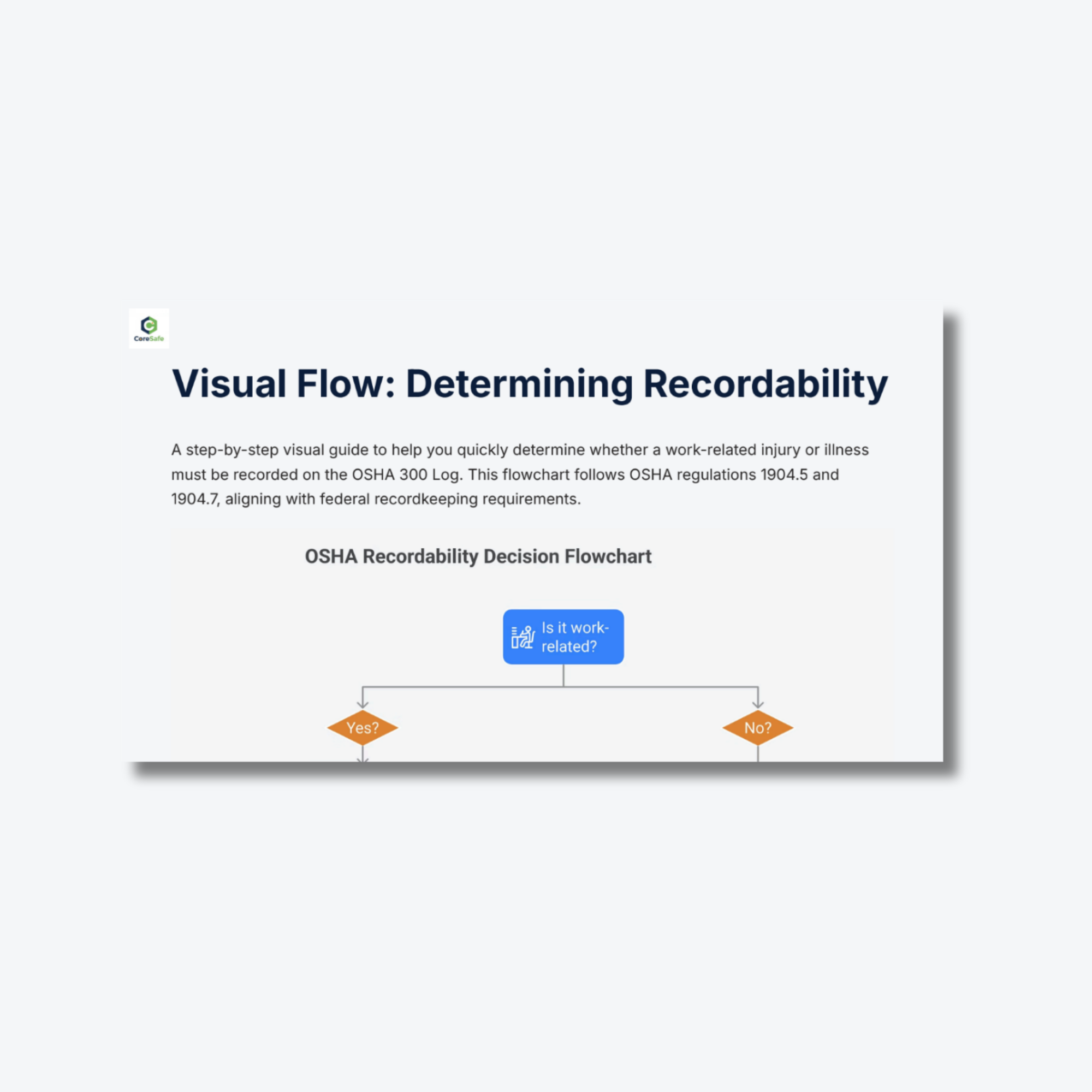
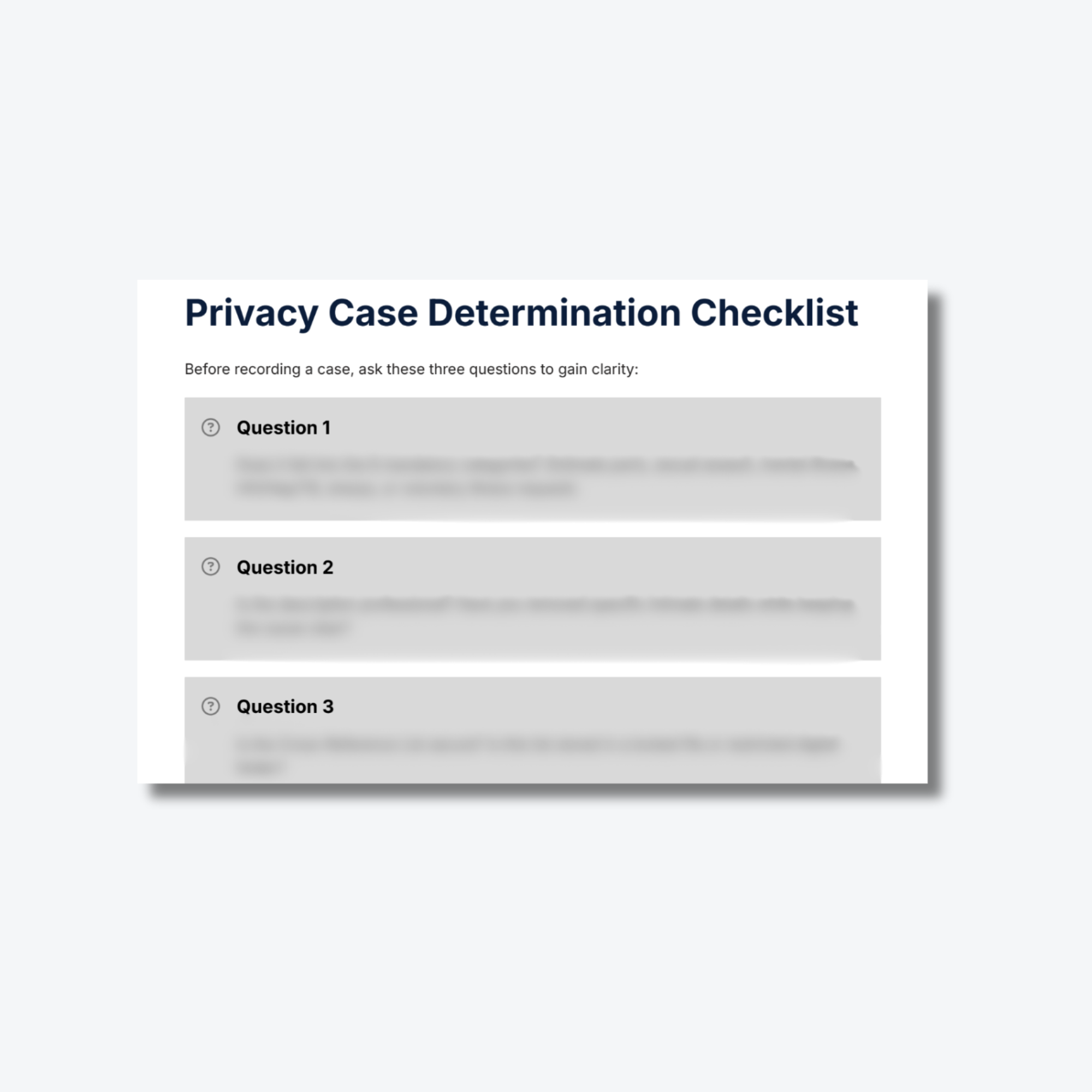
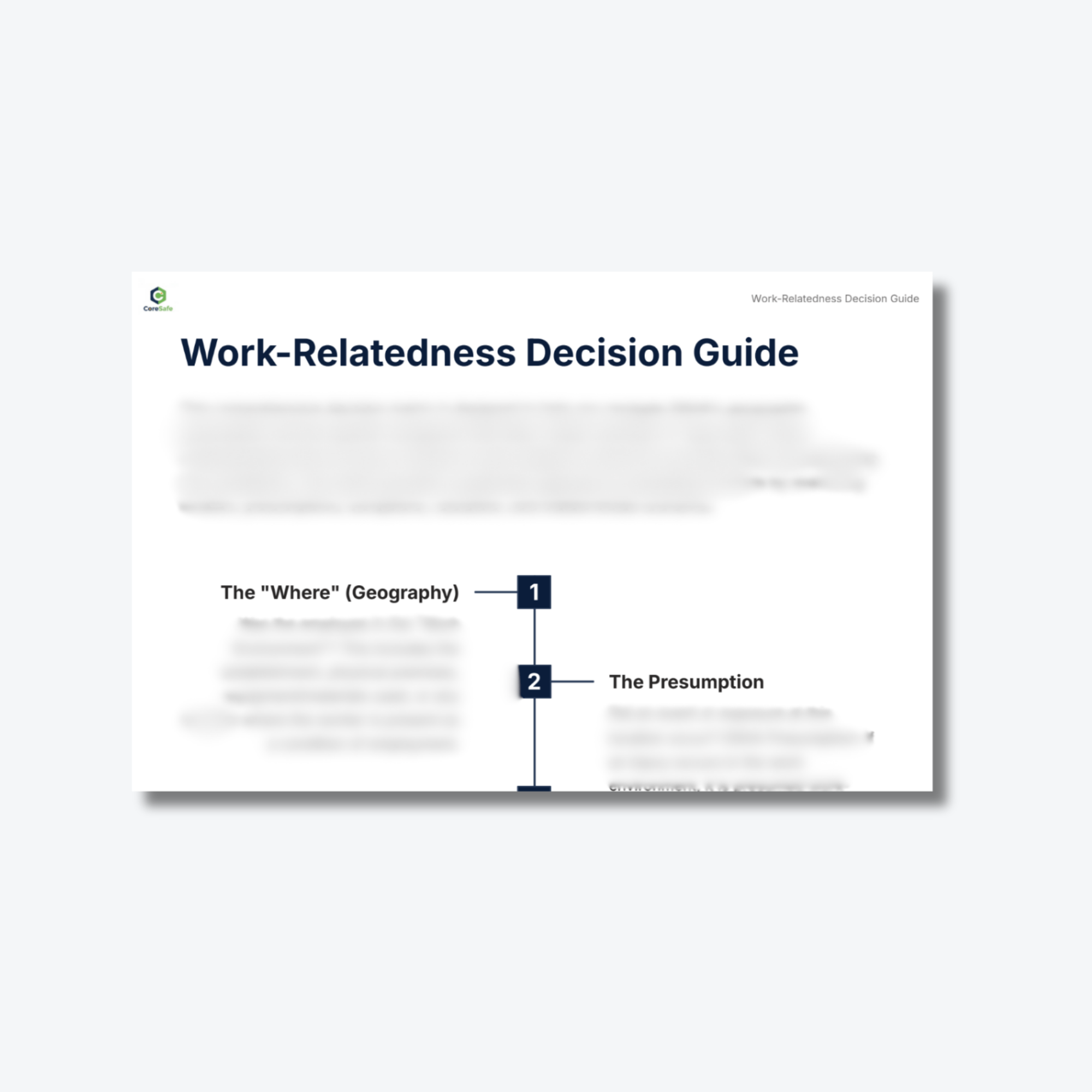
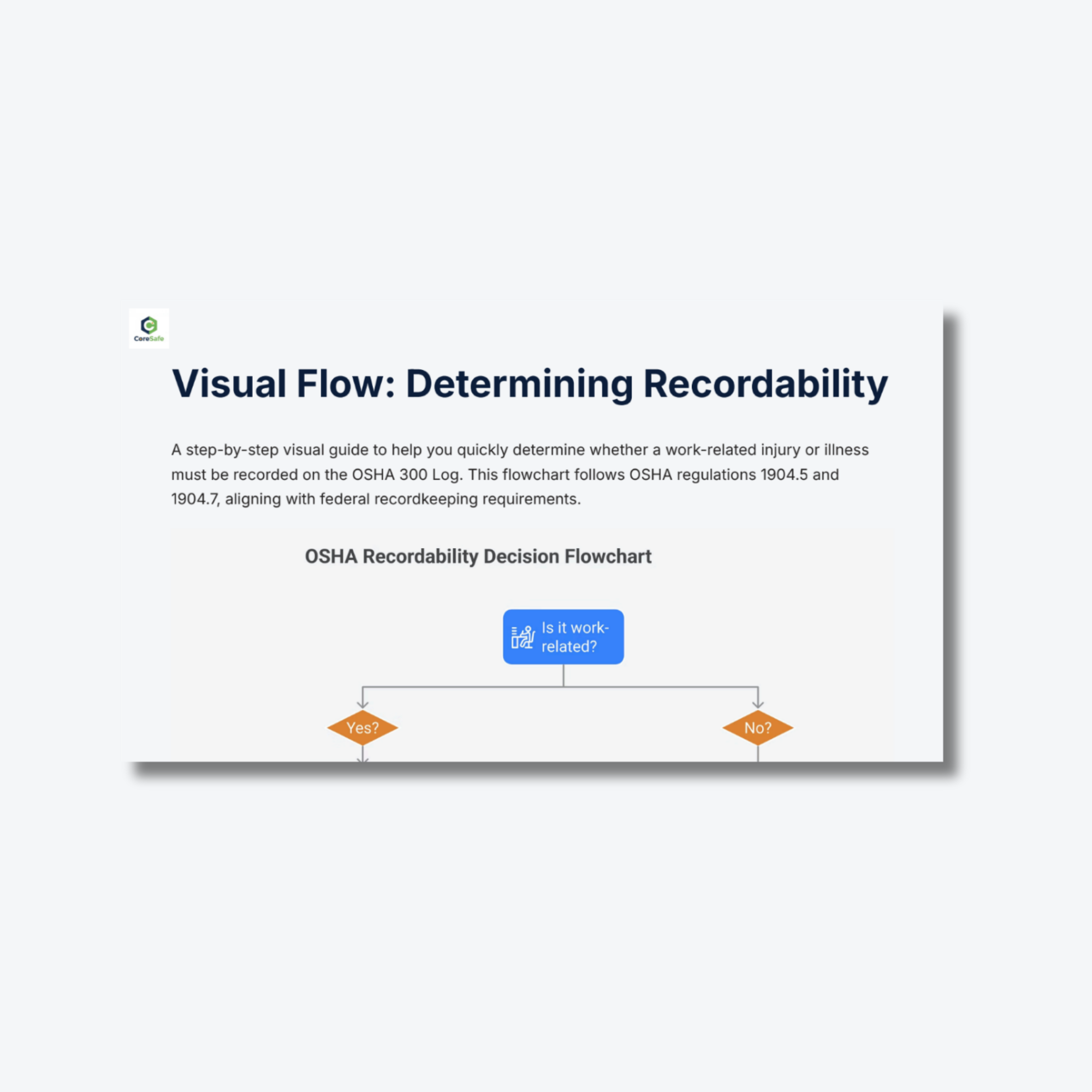
  • The 2-Part Recordability Test: Step-by-step application of work-relatedness determination and the six recording criteria, including the decision flowchart that eliminates guesswork.

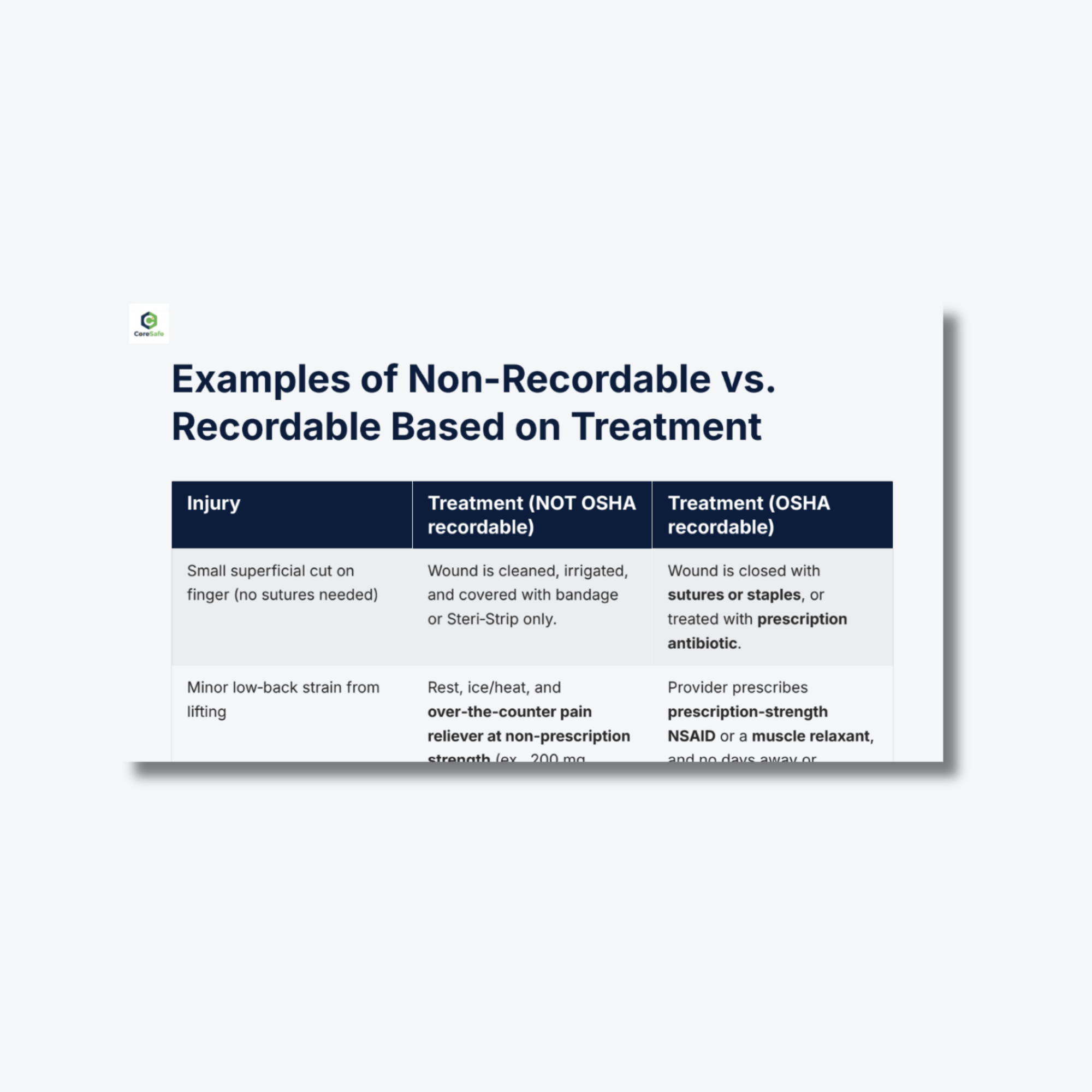
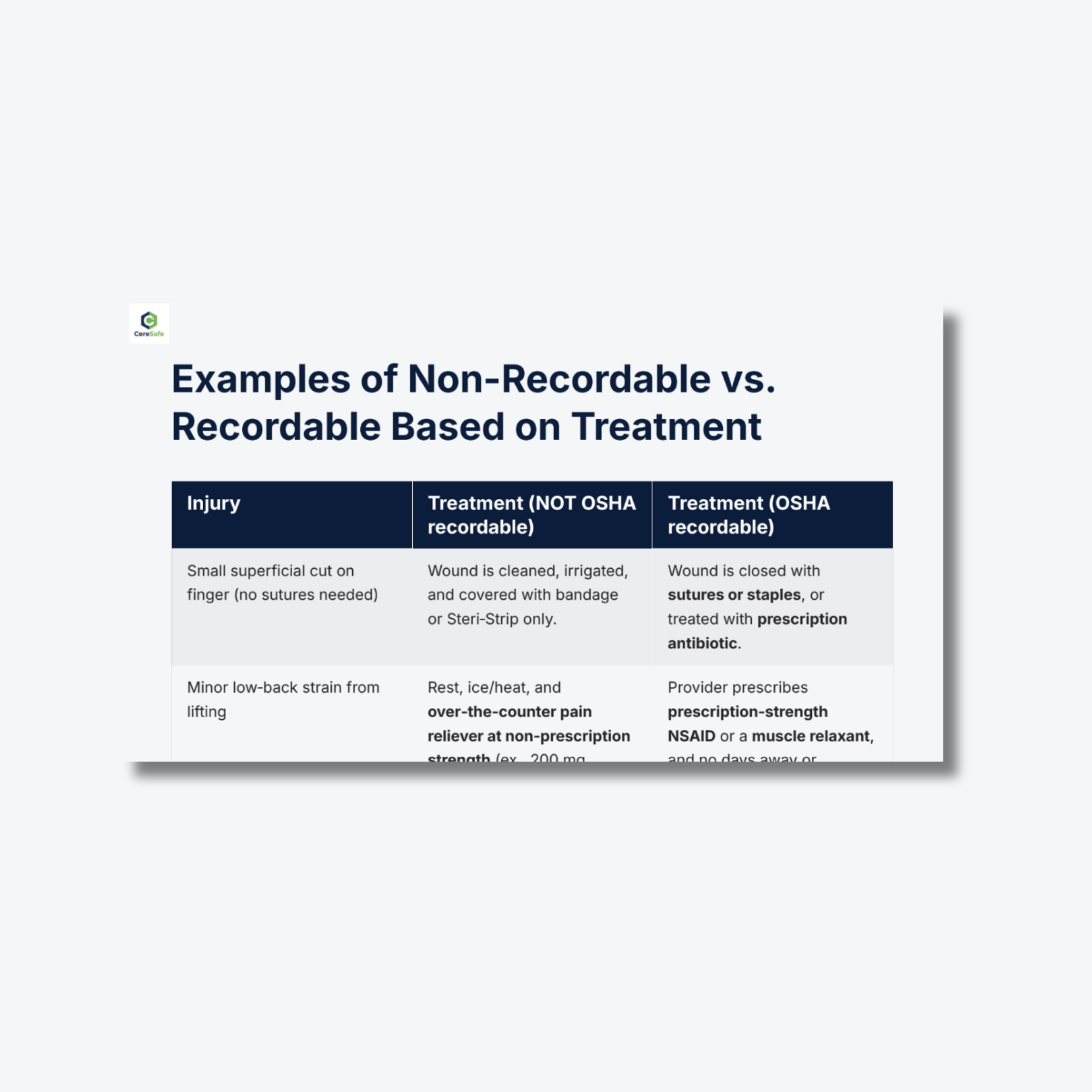
  • First Aid vs. Medical Treatment Master Guide: OSHA's complete 14-item first aid list with concrete examples showing why treatment type—not injury severity—determines recordability.

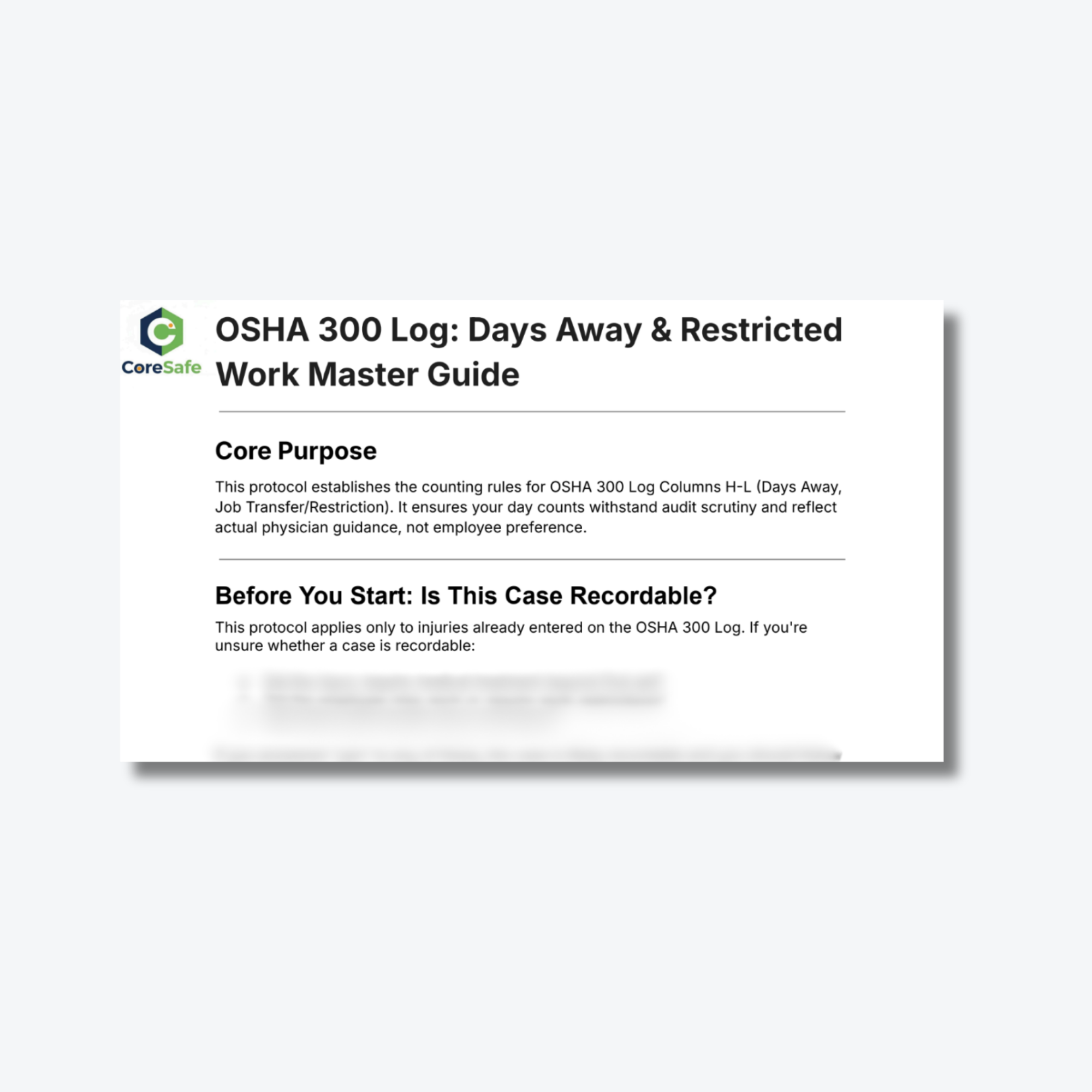
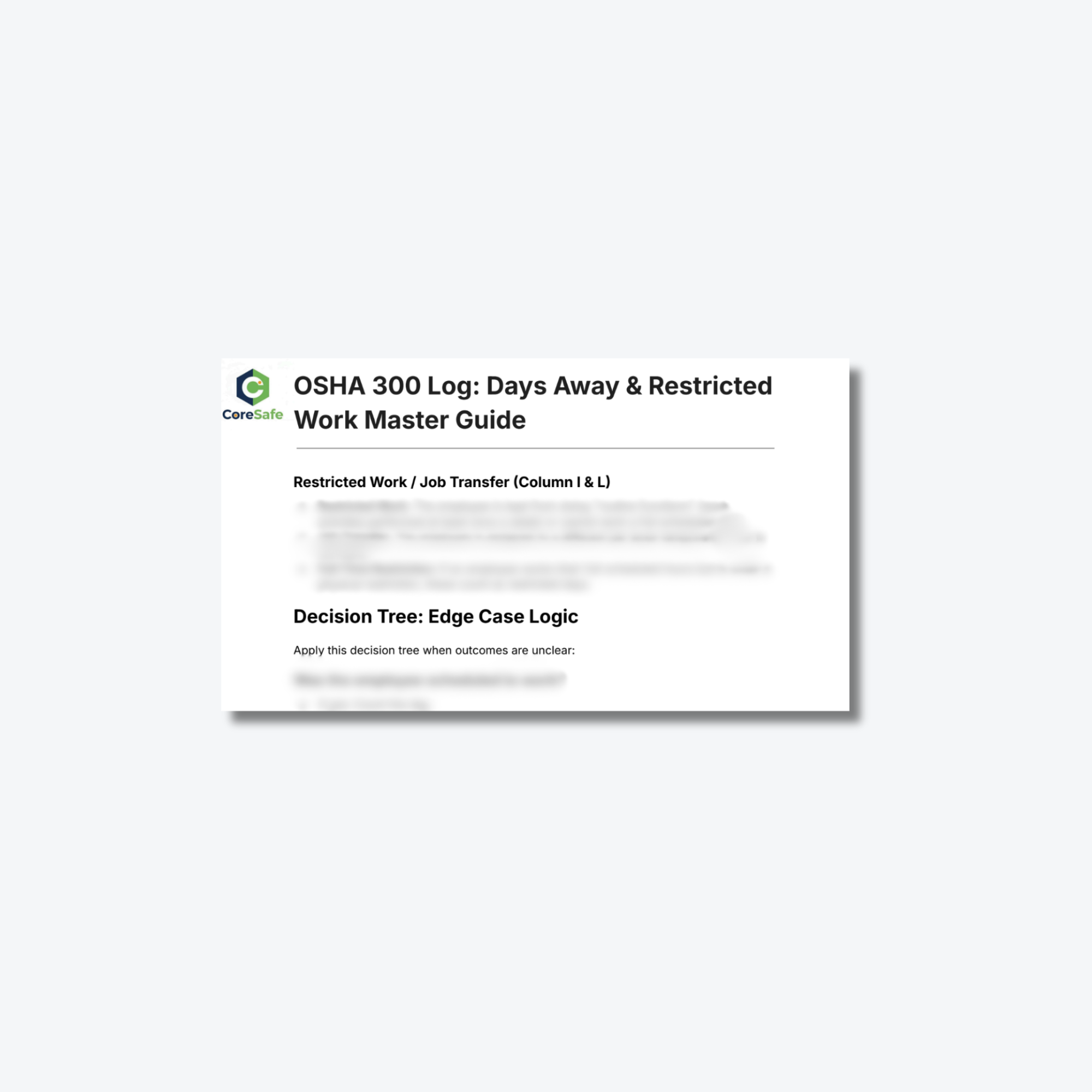
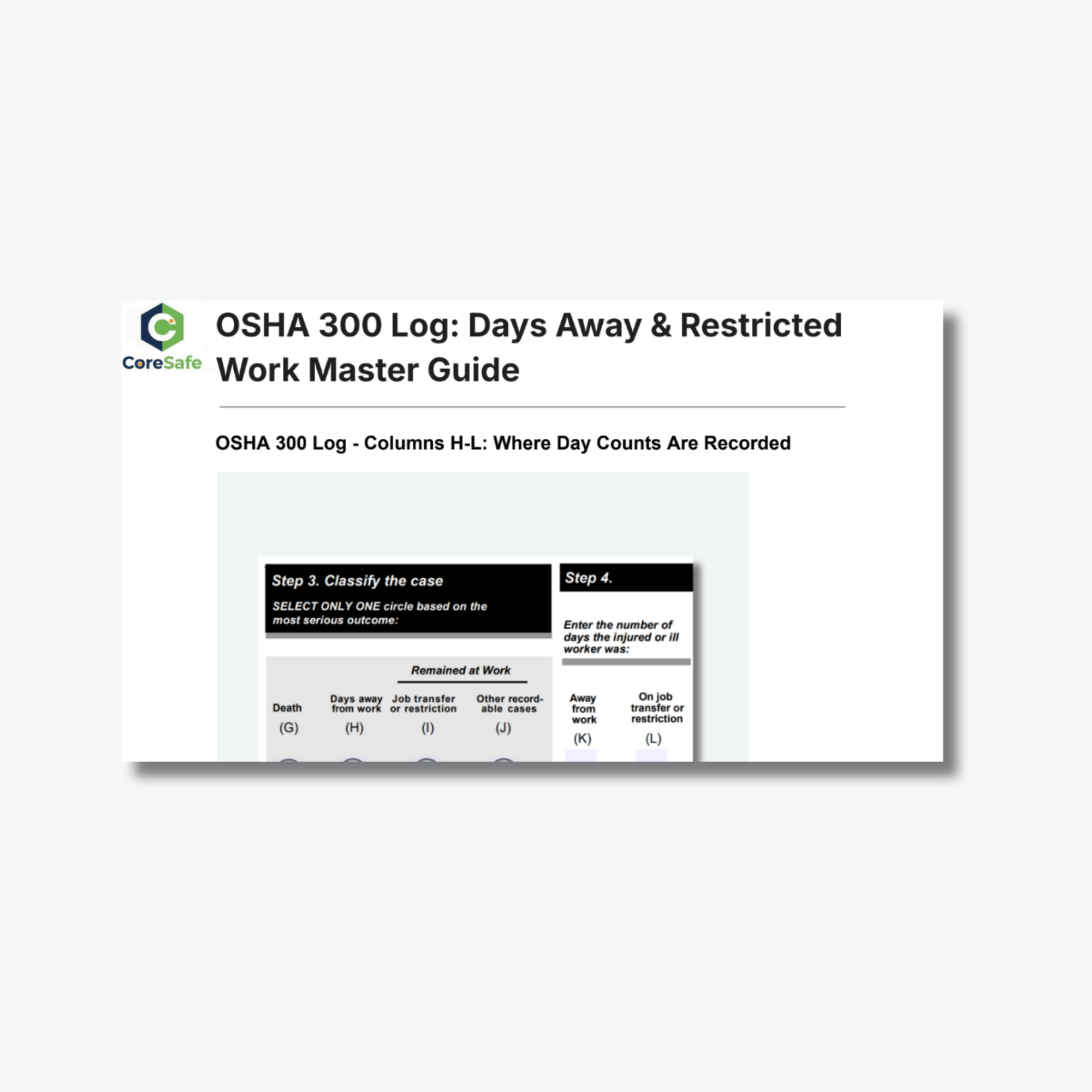
  • Days Away and Restricted Work Counting Rules: Calendar day counting methodology with explicit guidance on when to start, what to include, and the 180-day cap application.

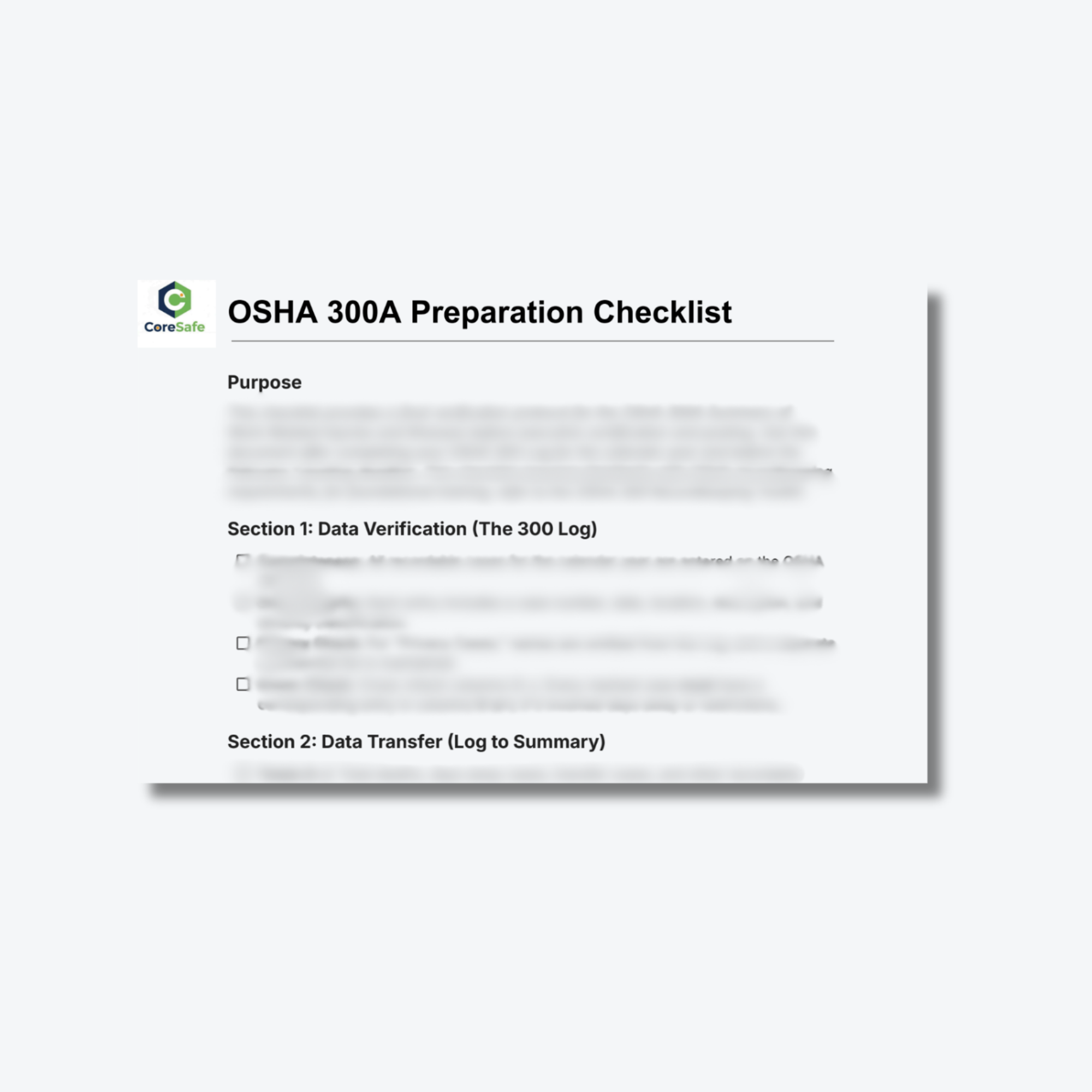
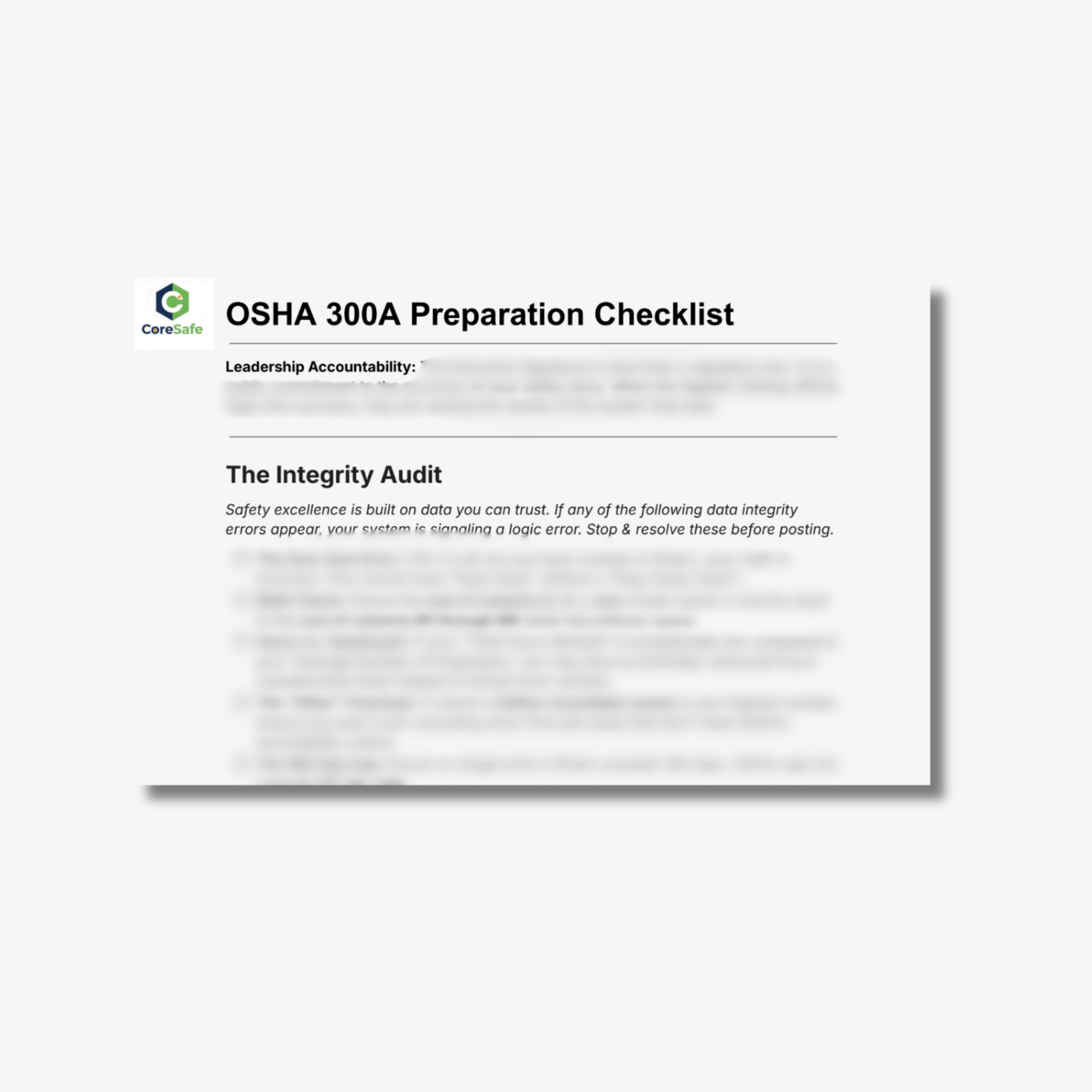
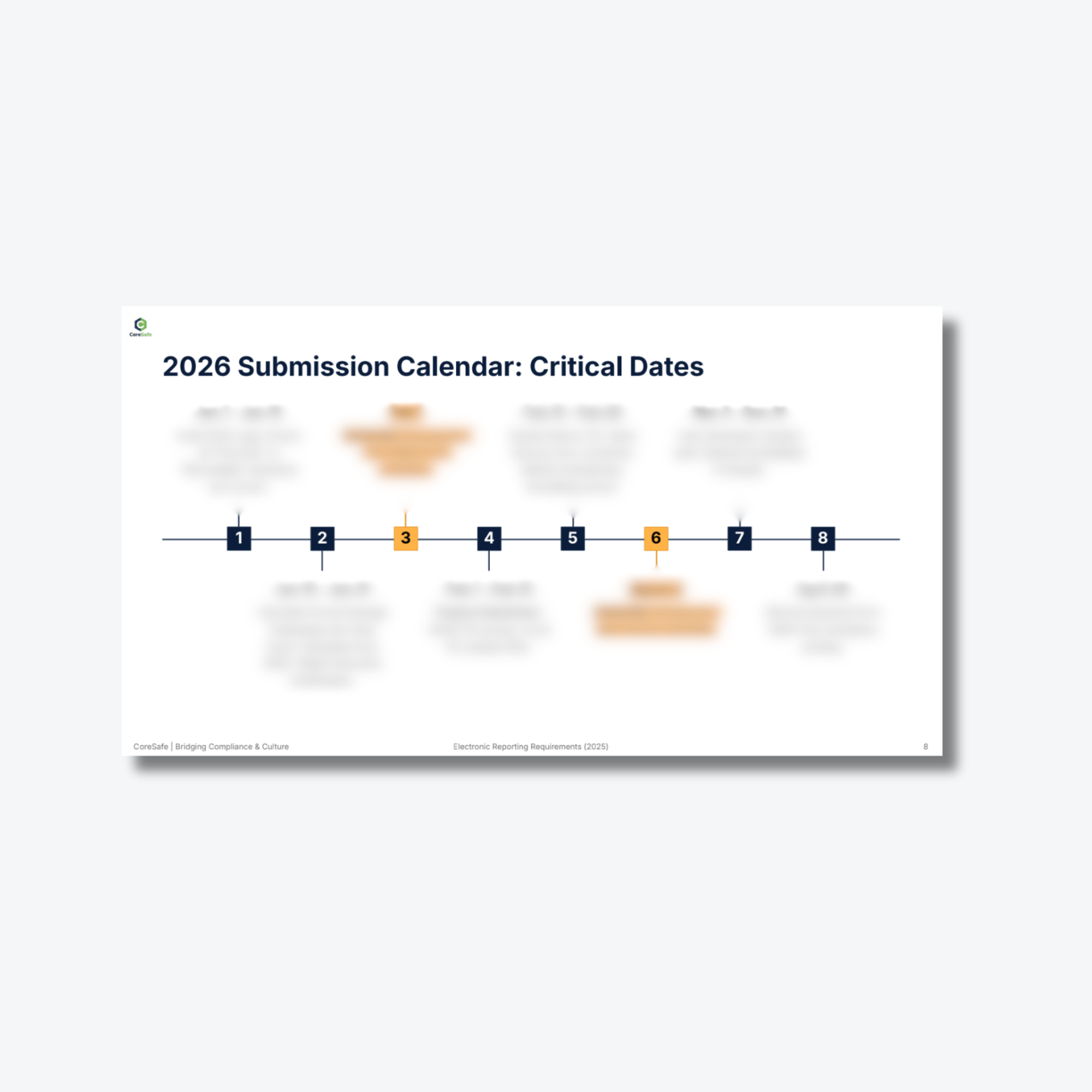
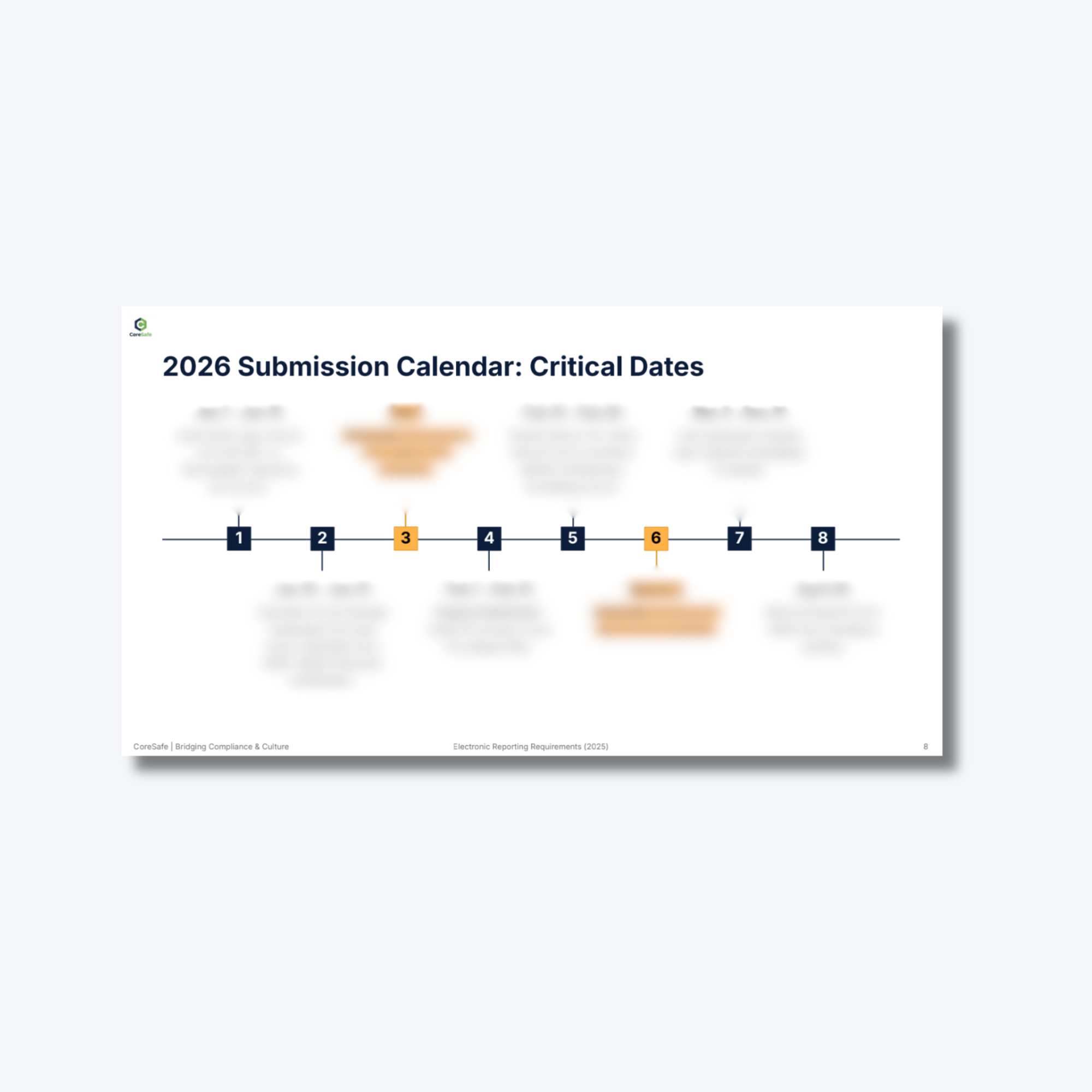
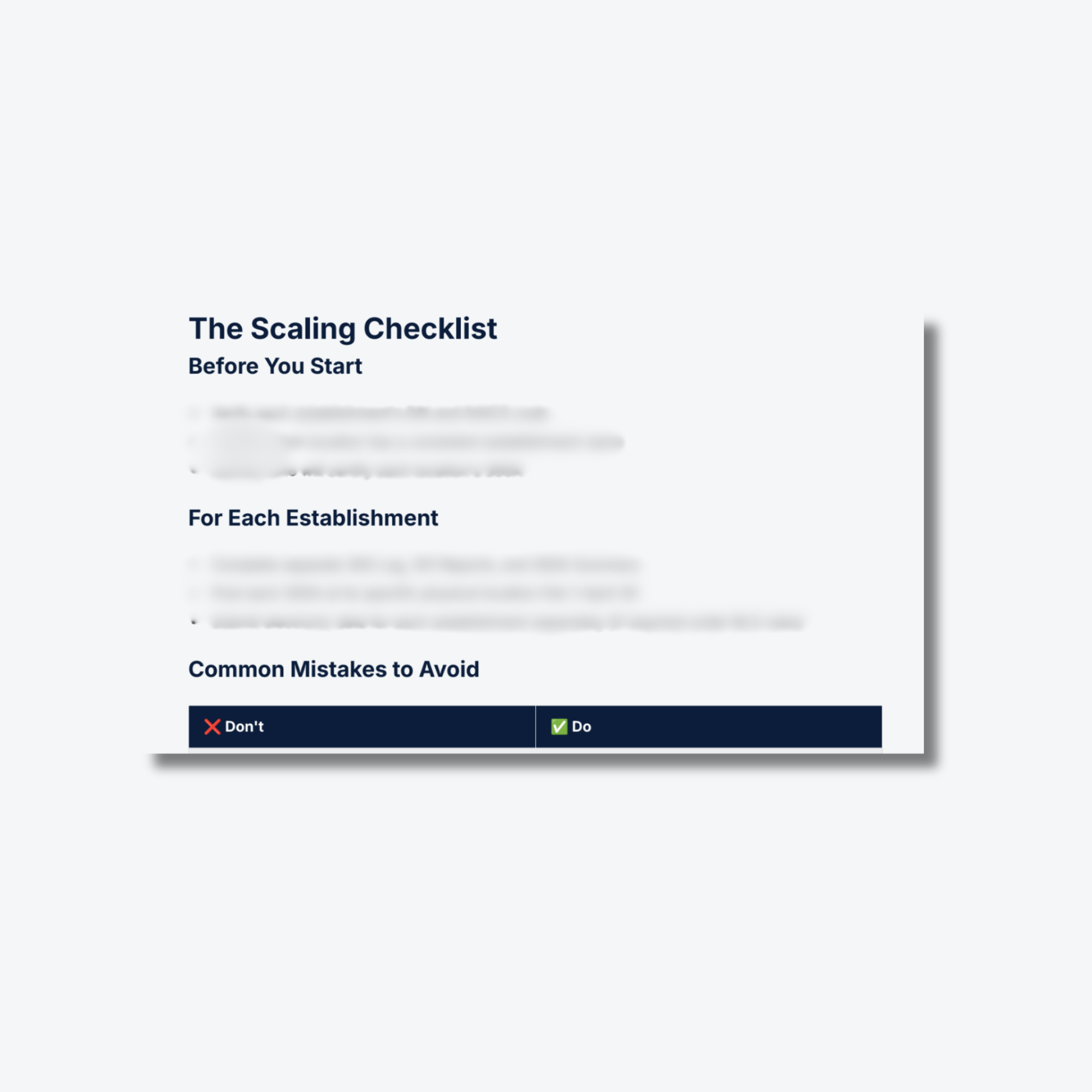
PLUS: Common Mistakes Audit, Annual Deadlines Calendar, and Implementation Checklist

How It Helps You Today

Defensibility: Apply OSHA's recordability criteria systematically using decision tools that document your compliance rationale during inspections.

Eliminates Decision Fatigue: Reference the 14-item first aid list and work-relatedness flowchart instead of making subjective judgment calls on borderline cases.
Saves Critical Time: Deploy supervisor training content and establish your recordkeeping system in days, not weeks, using ready-to-reference frameworks.
Bridge the gap between compliance and culture with defensible, ready-to-use documentation.

This Is for You If...

  • You are a Safety Starter establishing your first OSHA recordkeeping system and need clear, actionable guidance.

  • You are preparing for the February 1 Form 300A posting deadline and need to verify compliance requirements.

  • You want to eliminate recordability confusion and avoid the first aid versus medical treatment mistakes that trigger citations.

  • You need to train supervisors on injury reporting and ensure consistent application of OSHA's 2-part recordability test.

What's Inside

A comprehensive 30-page training guide covering OSHA 300 recordkeeping fundamentals for IMMEDIATE deployment across your safety program:

  • Recordkeeping Requirements and Applicability: Clear decision frameworks determining if your organization needs OSHA 300 Logs based on employee count and industry classification.

  • The Three Forms System (300, 301, 300A): Complete explanation of each form's purpose, required fields, completion timelines, and how they interconnect to create defensible documentation.

  • Recording vs. Reporting Requirements: Side-by-side comparison clarifying the critical distinction between 7-day recording obligations and 8/24-hour direct OSHA notification requirements.

  • The 2-Part Recordability Test: Step-by-step application of work-relatedness determination and the six recording criteria, including the decision flowchart that eliminates guesswork.

  • First Aid vs. Medical Treatment Master Guide: OSHA's complete 14-item first aid list with concrete examples showing why treatment type—not injury severity—determines recordability.

  • Days Away and Restricted Work Counting Rules: Calendar day counting methodology with explicit guidance on when to start, what to include, and the 180-day cap application.

PLUS: Common Mistakes Audit, Annual Deadlines Calendar, and Implementation Checklist

How It Helps You Today

Defensibility: Apply OSHA's recordability criteria systematically using decision tools that document your compliance rationale during inspections.

Eliminates Decision Fatigue: Reference the 14-item first aid list and work-relatedness flowchart instead of making subjective judgment calls on borderline cases.

Saves Critical Time: Deploy supervisor training content and establish your recordkeeping system in days, not weeks, using ready-to-reference frameworks.

Bridge the gap between compliance and culture with defensible, ready-to-use documentation.

FILE FORMATS & DELIVERY

This training toolkit includes 1 PowerPoint file delivered as an instant digital download. Format: PPT. All files are delivered via email immediately after purchase.

CUSTOMIZATION & USAGE RIGHTS

The PowerPoint file is fully editable—customize company names, logos, and site-specific details. You may use this material across your organization without additional licensing fees.


FREQUENTLY ASKED QUESTIONS

Can I use this across multiple sites?

Yes. Your purchase grants unlimited internal use across all locations within your organization.

Does this guarantee compliance?

This tool is designed to support defensible documentation aligned with OSHA recordkeeping requirements under 29 CFR 1904. CoreSafe does not provide legal advice or guarantee regulatory compliance.

How quickly can I deploy this?

Immediately. The training deck is ready-to-present upon download and requires minimal customization (e.g., adding your company name).

Do you offer refunds?

Due to the digital nature of these products, all sales are final. If you have questions about fit or content before purchasing, contact info@coresafe.org.


REGULATORY ALIGNMENT

This training deck reflects current OSHA recordkeeping requirements under 29 CFR 1904 and incorporates the 2-part recordability test, calendar-day counting rules, and annual reporting deadlines.